
How Technology Is Reshaping the Real Estate Experience
Technology is dramatically transforming the real estate landscape, creating unprecedented opportunities and greater transparency for buyers, sellers, and agents alike. Sophisticated digital tools and systems are reshaping almost every aspect of the journey, from searching for homes to closing deals. Modern innovations like AI-powered analytics, virtual home tours, and online documentation are delivering more precise property valuations, immersive viewing experiences, and faster, more efficient transactions. As a result, both seasoned professionals and newcomers to the market are experiencing a more accessible and streamlined process. For those seeking expert guidance in adopting these new tools, turning to Wichita Falls, TX real estate experts Bishop Realtor Group ensures experienced, tech-savvy support throughout the buying or selling process, leveraging the latest technology to provide a competitive edge.
Whether you are an industry veteran, a first-time homebuyer, or an investor, staying informed about the latest technological trends is critical in today’s fast-changing market. These advancements not only provide convenience but also arm you with data-driven insights and more innovative tools, allowing you to navigate complex decisions with greater confidence. More intelligent data analysis helps you interpret local trends, while automated contracts and secure digital signatures have made transactions more efficient and less stressful. As the real estate industry continues to evolve, clients now expect a seamless, tech-enabled experience from their agents and advisors.
Artificial Intelligence: A Game-Changer in Real Estate
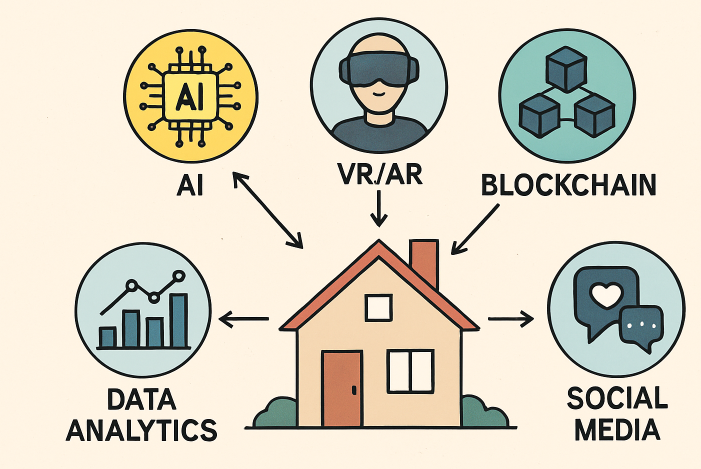
Artificial Intelligence (AI) is fundamentally altering how real estate professionals evaluate properties and predict market trends. Intelligent algorithms powered by AI are designed to process and analyze a vast range of variables, including historical sales data, neighborhood demographics, regional economic indicators, and even sentiment from online sources. With these tools, real estate agents can generate more informed and reliable property appraisals, leading to more accurate valuations. Moreover, AI’s sophisticated predictive models help forecast market shifts and identify optimal times to buy or sell, enabling agents to develop more effective, competitive pricing strategies. This empowers agents to deliver recommendations that align precisely with their clients’ needs and financial goals, ultimately fostering greater trust and satisfaction. According to Forbes, AI’s ability to process vast datasets not only improves accuracy but also enables highly personalized services, ensuring clients receive tailored solutions based on their unique requirements.
Virtual and Augmented Reality: Transforming Property Tours
Thanks to advances in Virtual Reality (VR) and Augmented Reality (AR), prospective buyers can now explore multiple homes and spaces from anywhere in the world, without setting foot on the property. VR-enabled tours offer a realistic, immersive walk-through experience of listed residences, allowing clients to inspect floor plans, finishes, and layouts at their convenience, 24/7. This reduces the need for frequent in-person visits, making the often tedious home search more convenient and efficient, especially for out-of-town buyers or international investors. Meanwhile, AR technology enables consumers to digitally overlay furniture, appliances, and even renovation ideas onto real environments via their smartphones or tablets. With a few swipes, buyers can visualize how a space might look with different layouts, colors, or furnishings, making it easier to see a home’s true potential. These digital innovations increase buyer confidence, help agents showcase properties more effectively, and can significantly speed up decision-making.
Blockchain: Ensuring Transparency and Efficiency
Blockchain is revolutionizing real estate transactions by introducing unprecedented levels of security and transparency. With its decentralized ledger technology, every transaction step, offer, contract, payment, and documentation can be recorded in an immutable, tamper-proof digital log. Buyers and sellers benefit from secure, verifiable records that dramatically reduce the risk of fraud or unauthorized changes. The adoption of smart contracts, powered by blockchain, automates and enforces the terms of agreements, ensuring transactions proceed according to pre-set rules. These digital contracts eliminate much of the paperwork and reduce reliance on intermediaries such as lawyers and escrow services, thereby expediting the entire closing process. The streamlining of transactions not only saves time and money but also helps minimize the errors and delays inherent in traditional methods. As observed by CNBC, the integration of blockchain technology marks a significant milestone in digital property management, opening the door to secure virtual title transfers and even international real estate investing.
See also: 5 Essential Tech Tools for Designers to Speed Up Work
Big Data Analytics: Unveiling Market Insights
Today’s real estate industry relies heavily on Big Data analytics to interpret market dynamics and predict future trends with remarkable accuracy. By collecting and analyzing an ever-growing stream of information, from sales records and zoning data to consumer preferences and economic indicators, professionals gain a heightened ability to forecast demand, monitor pricing fluctuations, and spot emerging neighborhoods or investment opportunities. For agents and brokers, access to detailed data translates into more informed advice for their clients, ensuring that buyers find homes that match their exact criteria while sellers can price properties competitively. Big Data also empowers agents to refine their marketing efforts, target the right audiences, and craft messages that resonate more deeply with potential buyers. This level of analytical insight is helping real estate professionals develop more agile and responsive strategies, making the homebuying journey smoother and more rewarding for everyone involved.
Social Media: A New Frontier in Property Marketing
Social media platforms have rapidly become a central pillar of successful property marketing strategies. Real estate professionals use visually oriented platforms such as Instagram, TikTok, and Facebook to showcase property features through high-quality images, virtual tours, video walkthroughs, and live-streamed open house events. These tools are particularly effective at capturing the attention of younger, tech-savvy buyers and those browsing remotely. Social channels offer opportunities for real-time audience engagement, enabling agents to answer questions, host virtual Q&A sessions, and nurture leads from initial inquiry through close. Additionally, the advanced targeting capabilities and analytical tools built into social platforms allow agents to refine their advertising campaigns, segment their audience, and track the effectiveness of their marketing spend with remarkable accuracy. This ensures that properties reach the right buyers, maximizing exposure while minimizing the time a listing spends on the market.
Conclusion
The evolution of technology in real estate is making the process of buying and selling properties faster, simpler, and more transparent than ever before. Innovations like AI, VR, blockchain, and Big Data analytics are not only streamlining operations; they are also transforming them. Still, they are also shifting expectations and raising the bar for what homebuyers and sellers anticipate from their real estate professionals. As the industry continues to integrate these innovations, agents who embrace them will find themselves better positioned to serve clients in an increasingly digital world. Ultimately, by leveraging advanced technology alongside deep local expertise, real estate professionals are creating a more connected, flexible, and responsive experience for every client, paving the way for a smarter, more efficient real estate market.