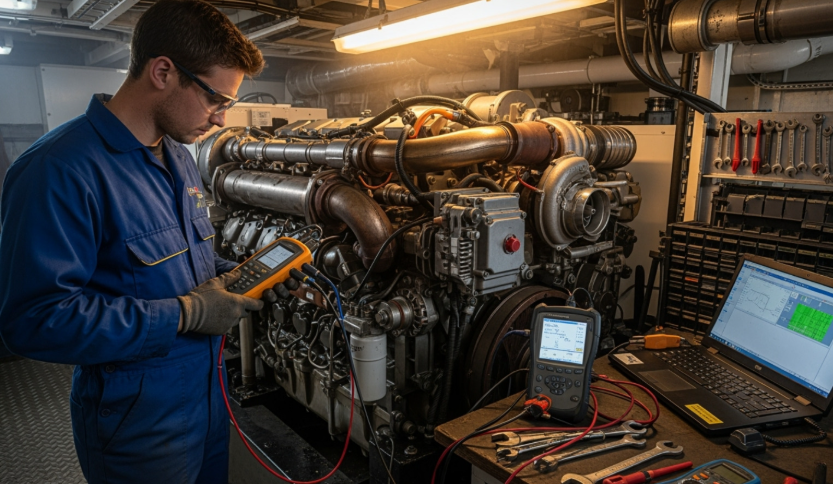
A New Year Approach to Proactive Diesel Engine Care in Florida
The beginning of a new year is an ideal time for fleet operators, contractors, and equipment owners to reassess maintenance strategies and set priorities for long-term reliability. In Florida, where heat, humidity, and year-round usage place consistent demands on diesel-powered vehicles and equipment, planning for proactive diesel engine repairs can help reduce downtime and control operating costs. Establishing a structured maintenance approach early in the year supports performance, compliance, and operational confidence throughout the months ahead.
Evaluating Engine Performance After a Demanding Year
Diesel engines often experience their most excellent strain during periods of heavy use, extended idle time, and exposure to environmental factors such as moisture and airborne contaminants. At the start of the year, a thorough performance evaluation allows technicians to identify developing issues before they lead to costly failures. This process typically includes compression testing, electronic diagnostics, and inspection of fuel delivery components. Addressing minor concerns early helps preserve engine efficiency and extends service life.
Preventive Maintenance as a Long-Term Strategy
Preventive maintenance is most effective when it follows a consistent schedule rather than a reactive approach. Oil analysis, coolant testing, and filter inspections provide valuable insight into the engine’s internal condition. Establishing these checks as part of a New Year service plan helps reduce unexpected breakdowns. Well-maintained engines also operate more efficiently, which can lower fuel consumption and support emissions compliance.
Addressing Wear from Florida Operating Conditions
Florida operating conditions pose special problems for diesel engines. High humidity can accelerate corrosion, while heat places additional stress on cooling systems. Early-year inspections should include careful evaluation of hoses, belts, seals, and cooling components. Fuel systems also deserve attention, as moisture contamination and injector wear can develop over time. Focused inspections prepare engines for continuous operation in the warmer months.
Supporting Fleet Reliability and Scheduling
For businesses that rely on multiple vehicles or heavy equipment, the New Year offers an opportunity to review fleet maintenance schedules. Coordinating inspections and repairs during planned service windows reduces disruptions to daily operations. Consistent record keeping also allows operators to track service intervals and anticipate future needs. A disciplined approach to scheduling supports reliability and improves budgeting accuracy.
Recognizing Early Warning Signs
Operators should remain alert to early indicators of engine trouble, even after completing routine service. Changes in exhaust appearance, unusual noises, reduced power, or increased fuel usage often signal underlying issues. By promptly evaluating these signs, we can complete repairs before secondary damage arises. Early intervention remains one of the most effective ways to control repair costs.
Planning for Regulatory and Safety Compliance
Diesel engines must meet specific regulatory and safety requirements, particularly for commercial operations. Beginning the year with a compliance review helps ensure that emissions systems, electronic controls, and safety-related components are functioning correctly. Maintaining compliance reduces the risk of penalties and supports responsible operation within regulated environments.
See also: Refreshing Lifesaving Techniques in Lifeguard Recertification Courses
Frequently Asked Questions
How often should a diesel engine be inspected at the start of the year?
An annual comprehensive inspection is recommended, with additional service intervals based on usage, mileage, and operating conditions.
Does preventive maintenance reduce long-term repair costs?
Yes. Preventive maintenance helps identify minor issues early, which often prevents more extensive and expensive repairs later.
Are Florida conditions harder on diesel engines than other regions?
High heat and humidity can increase wear on cooling systems, fuel components, and seals, making regular inspections especially valuable.
What components typically need attention during early-year service?
Common areas include fuel injectors, cooling systems, filters, belts, hoses, and electronic diagnostic systems.
Should fleet maintenance schedules be updated annually?
Yes. Reviewing and adjusting schedules each year helps align service needs with actual usage and operational demands.
Starting the Year with Professional Support
Beginning the year with a structured maintenance plan provides confidence and stability for the months ahead. By addressing wear, scheduling preventive service, and responding promptly to early warning signs, operators can reduce disruptions and extend engine life. For businesses and individuals seeking dependable service in Florida, professional diesel engine repair by experienced technicians provides a strong foundation for year-round reliability. Learn more about comprehensive service solutions by visiting Mid Florida Diesel.