Starting the New Year With Better Communication: How Modern Hearing Aids Improve Daily Life
The new year is often a time to set personal goals that support confidence, connection, and overall well-being. In Clearwater, many adults choose this season to evaluate communication challenges and explore solutions that enhance daily interactions. Advances in hearing technology have transformed how people engage with conversations, environments, and relationships, making hearing aids a practical and effective option for long-term improvement.
How modern hearing aids support everyday communication
Modern hearing aids are designed to enhance clarity rather than simply increase volume. These devices process sound in real time, prioritizing speech while reducing background noise. This approach allows wearers to follow conversations more comfortably in various settings, including social gatherings, meetings, and quiet one-on-one discussions.
Improved clarity reduces listening fatigue and supports more natural interaction throughout the day. Users often report greater ease when communicating in previously challenging environments.
The role of advanced sound processing
Contemporary hearing aids rely on sophisticated sound-processing systems that automatically adapt to changing environments. These systems analyze sound sources and adjust amplification to emphasize speech signals. This adaptability supports smoother transitions between quiet spaces and more complex listening environments.
Such technology allows users to remain engaged without having to adjust settings manually. The result is consistent sound quality that aligns with real-world listening demands.
Personalization for individual needs
No two hearing profiles are the same. Modern hearing aids are programmed based on detailed hearing evaluations and lifestyle considerations. This personalization ensures that amplification levels, frequency emphasis, and sound balance reflect individual needs rather than a one-size-fits-all approach.
Personalized programming supports comfort and acceptance, which are critical for long-term success with hearing aids.
Comfort and discreet design improvements
Design advancements have improved both comfort and appearance. Hearing aids are now lighter, more ergonomic, and less noticeable. Comfortable fit supports all-day wear, which is essential for consistent hearing improvement.
Discreet design also reduces hesitation for first-time users. Feeling confident while wearing hearing aids contributes to better outcomes and increased satisfaction.
Supporting social and emotional well-being
Improved hearing has a direct impact on social engagement. More transparent communication reduces misunderstandings and encourages participation in conversations. This support helps maintain relationships and promotes emotional well-being.
Users often experience increased confidence when interacting with family, friends, and colleagues. Improved communication fosters independence and reinforces a sense of connection.
Integration with modern lifestyles
Many hearing aids now integrate seamlessly with smartphones and other devices. Features such as direct audio streaming and app-based controls allow users to customize their listening experience. This integration supports convenience and adaptability without complexity.
Such features align hearing technology with modern expectations for connectivity and ease of use.
See also: Designing Ergonomic Workstations for Health and Productivity
The importance of professional guidance
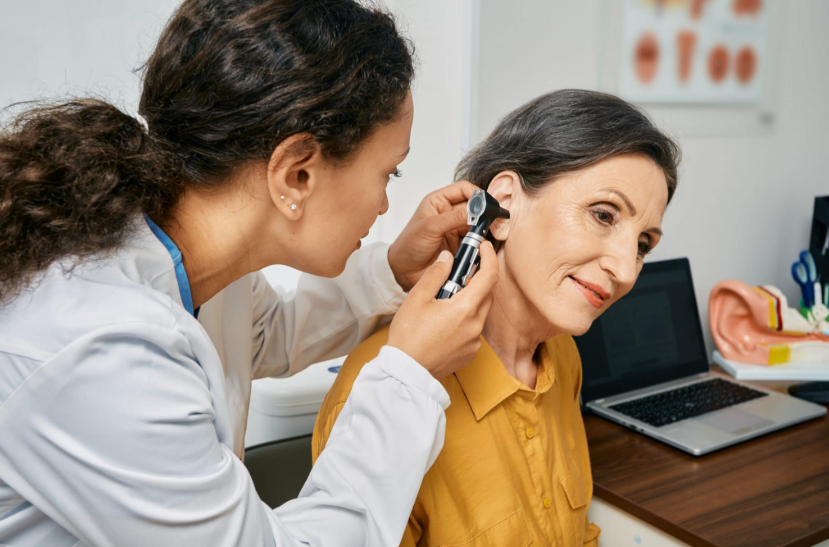
Successful hearing aid use depends on professional evaluation and ongoing support. Proper fitting, adjustment, and follow-up ensure that devices perform as intended. Education about care and use helps users adapt more comfortably during the adjustment period.
Professional guidance also ensures that hearing aids continue to meet changing needs over time through routine checkups and refinements.
Frequently asked questions about modern hearing aids
How long does it take to adjust to hearing aids?
Adjustment varies by individual, but many users notice improvement within weeks as their brains adapt to more precise sound.
Are hearing aids difficult to maintain?
Routine cleaning and periodic professional checkups support reliable performance and longevity.
Can hearing aids help in noisy environments?
Yes. Advanced processing systems are designed to improve speech clarity in complex listening situations.
Do hearing aids need frequent replacement?
With proper care, hearing aids often perform effectively for several years.
Is a professional fitting necessary?
Yes. Professional fitting ensures accurate programming and optimal performance.
Beginning the year with clearer communication
Improving communication is a meaningful way to begin the new year. Modern hearing aids offer practical solutions that support clarity, confidence, and engagement in daily life. For individuals in Clearwater exploring options such as Oticon hearing aids, professional guidance ensures that technology aligns with personal needs and goals. Learn how personalized care and advanced solutions at Countryside Hearing Aids can help you start the year with clearer hearing and stronger connections.